
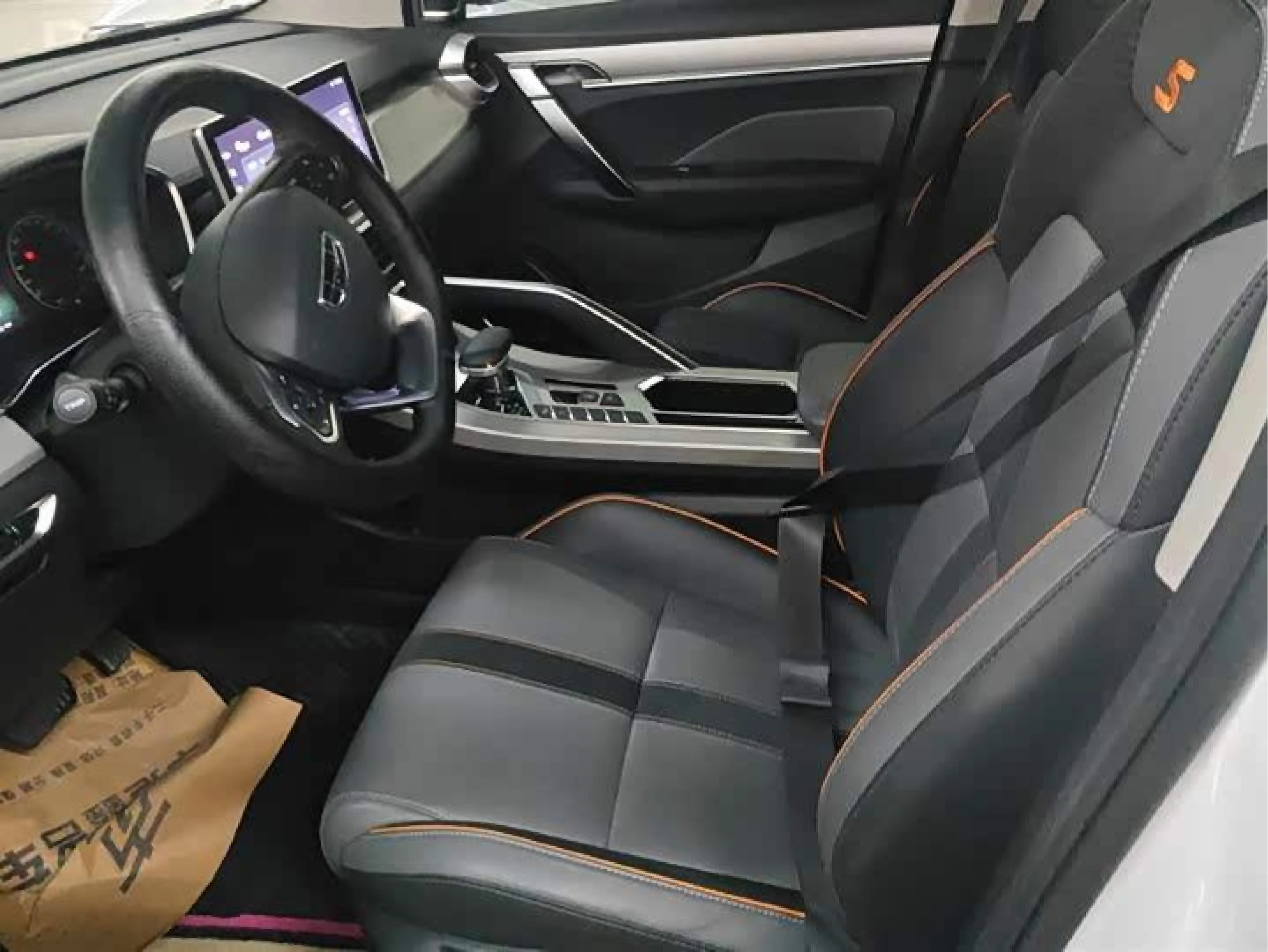
Identify each complete engine and transmission combination
Obtain the production record, original-market designation and engine and gearbox identity for both cars. The version and name guide prevents Coolray, Binyue and a trim suffix from standing in for installed hardware. Keep the naturally aspirated configuration separate from turbo advertising, and do not assign a CVT merely from a seller’s automatic label. Ask for relevant original instructions and fitment evidence when descriptions conflict. A translated trim may mix equipment from another package. The comparison starts with two complete identifiable powertrains, not the least expensive Binyue quote combined with the strongest output or transmission claims available anywhere in the family.
Write the daily task before ranking performance
Describe passengers, luggage, traffic, permitted road speeds, gradients and climate. A mostly lightly loaded town car can have a different requirement from a regular fully occupied highway vehicle. Use the city commute file to record the actual routine, then trial appropriate ordinary driving safely. Avoid acceleration contests or unsuitable repeated loading to prove a brochure claim. Identify which observed behaviour matters to the buyer: convenient parking, acceptable loaded response or comfortable cruising. More advertised power can be useful or optional, but its value depends on that named task rather than a claim that every buyer needs the highest available turbo specification.
Compare actual condition rather than assumed architectural reliability
Ask qualified assessors to use a scope suitable for each installed system. The DCT inspection guide applies where the actual gearbox is a relevant DCT, not to a CVT simply because both cars share a badge. Retain cold and warm operating observations, relevant diagnostics and service history. For turbo hardware, use the engine assessment file with applicable instructions. Neither architecture is declared universally reliable or troublesome here. A warning or behaviour concern needs an understood cause; a stereotype should not make the buyer ignore it on the preferred package or invent a failure on the other candidate.
Ask the destination workshop about the exact service route
Use the VIN parts and repair guide to confirm matching components, competent diagnosis and applicable servicing. Similar exterior parts do not make engine or gearbox materials interchangeable. Obtain original-market maintenance requirements and scoped local estimates without prescribing one universal fluid, flush or replacement interval. A workshop familiar with a locally sold turbo Coolray may not support every China-market CVT variant. Confirm provider coverage separately from paid repair access. The less complicated-looking package can still be unsuitable if essential information or components cannot be obtained; familiarity with the brand name is not the same as an established route for this configuration.
Separate useful performance from the full quotation premium
Normalise inspection, essential preparation, included items and delivery readiness through the price guide. Record differences in cabin, driver assistance, wheels and production so the whole trim gap is not attributed to the turbo or gearbox. Use credible fuel inputs from the economy guide rather than promising a fixed architecture-based saving. Defined work needs complete supported estimates, while unexplained symptoms need assessment before pricing. If one candidate does not meet an essential loading or support requirement, its smaller ask does not create a like-for-like alternative. Optional performance preference can be legitimate, but should be named as a preference.
Approve the package that meets the task at a supported cost
Use the three-year ownership worksheet with consistent distance, local energy inputs and conservative exit assumptions. Prefer the adequate CVT arrangement where it meets ordinary use naturally and its support is clear; pay for the identified turbo DCT package when the useful benefit and current condition justify the complete difference. Hold unresolved identity or behaviour questions before deciding. Record the accepted system in the purchase schedule so a substitute cannot silently change the propulsion. The practical result is an understood car and support route, not a universal claim that one gearbox or engine family is the right answer for every buyer.
Compare the acceptance conditions
- Adequate CVT value
- The identified configuration meets the actual route and loading requirements with acceptable condition, local support and complete cost.
- Turbo package earns its premium
- Observed useful performance and included equipment justify the full difference, with qualified DCT/engine findings and a matching service route.
- Comparison is premature
- Engine or gearbox descriptions, condition or receiving support remain unclear; resolve them before ranking architecture labels or advertised power.
Buyer evidence checklist
- Original market and complete propulsion identity
- Ordinary traffic, loading and route brief
- Appropriate independent system findings
- Exact parts, diagnostics and maintenance route
- Premium separated from other trim equipment
Questions before you buy
Does every Binyue automatic have the export Coolray DCT?
No. Establish the installed engine and transmission. China-market references include other configurations and do not establish one universal automatic package.
Is CVT automatically cheaper or more reliable to own?
No universal conclusion is asserted. Compare the actual car, intended use, condition, maintenance and supported complete acquisition cost.
Primary and regional references
Each reference describes its own market or commercial scope; it does not identify the offered VIN or prove its condition or availability.
Geely China Binyue Chaoneng: separate propulsion context ↗Geely global New Coolray: market-qualified turbo/DCT reference ↗