
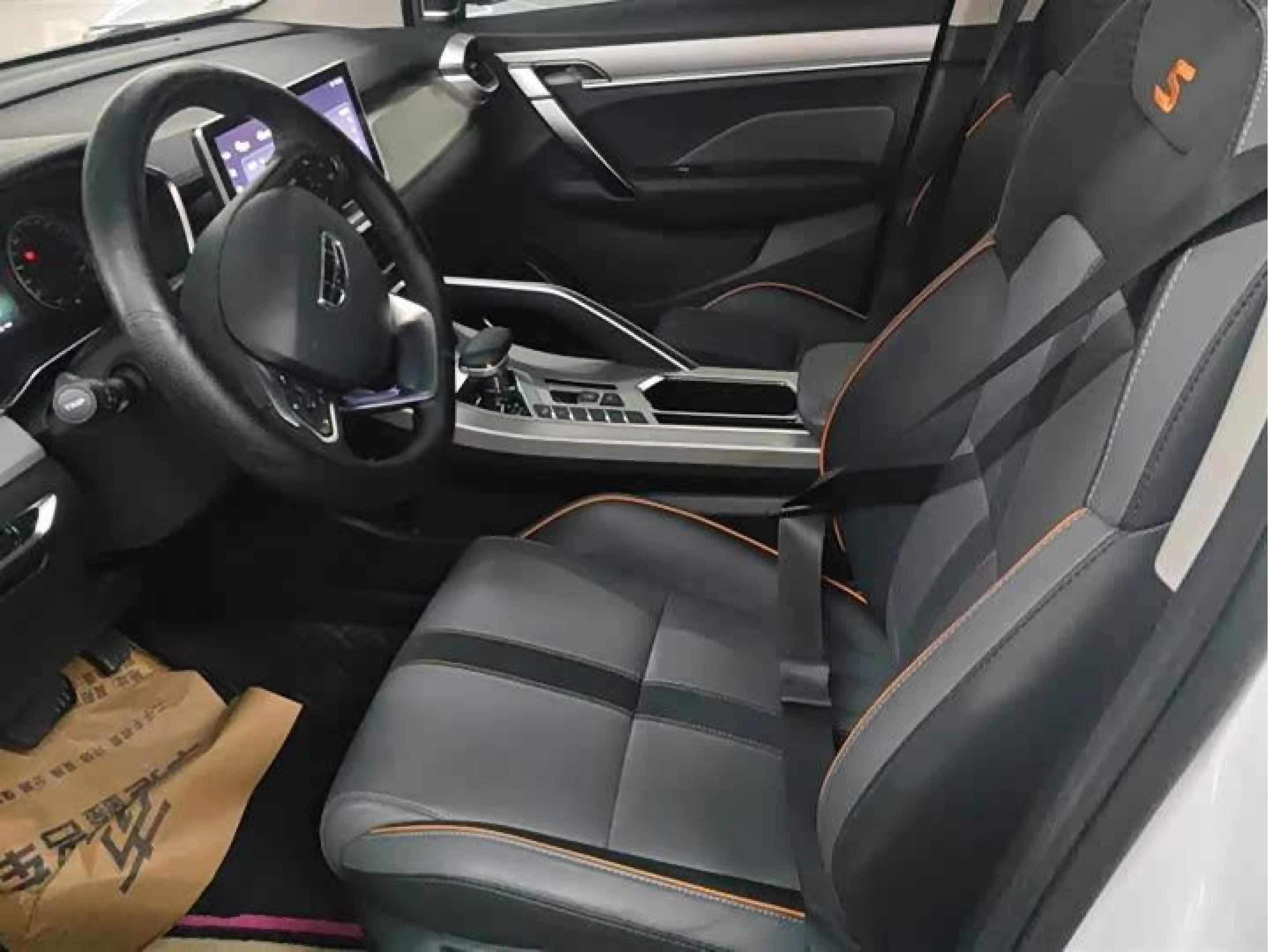
Mileage is credible only when independent records form a consistent timeline.
Define the decision
Collect registration history, service invoices, inspection records, seller ownership evidence, diagnostic counters and dated media. Compare tyre and glass dates, interior wear and production information.
Evidence to collect
Record every odometer data point with date and source. Investigate gaps, inconsistent units, replaced clusters, long storage and repairs that do not appear in the seller narrative.
Risk and export exposure
A low number can coexist with hard use, idle time, flood exposure or poor service. Lack of records is uncertainty, not proof of a clean history.
Apply it to a candidate
Classify history confidence separately from physical condition. A mechanically acceptable car with weak provenance may still require a lower risk tolerance or rejection.
Build the VIN record
Create a dated folder named by VIN. Record ownership trail, odometer timeline, service invoices with source documents, photographs, diagnostic output or inspection results. Keep repair evidence, flood indicators, diagnostic counters as named actions until the responsible reviewer closes them. A replacement vehicle starts a new file rather than inheriting another candidate's evidence.
Independent review
Assign each field to a reviewer with the relevant competence. Technical, legal, shipping and destination questions should not be answered by one general seller statement. If records conflict, preserve both versions and request the exact document, test or image that resolves the difference before payment.
Commercial hold points
Connect payment to evidence. Confirm identity before reservation, condition before final technical acceptance, contract wording before a major transfer and loading condition before handover. A changed VIN, beneficiary, delivery point or accepted exception reopens the relevant approval gate.
Arrival and ownership control
Freeze the odometer, warning state, keys, accessories, body condition and unresolved exceptions before loading. Compare the arrival vehicle with that record before cleaning or repair. Preserve evidence for claims and give the destination workshop the exact version, service and diagnostic baseline.
Build an evidence hierarchy
For this decision, legal records and physical identifiers establish the vehicle; diagnostics and inspection establish operating condition; official market material provides specification context; and seller messages describe claims that still need verification. Apply that hierarchy to ownership trail, odometer timeline, service invoices, repair evidence, flood indicators, diagnostic counters. When two sources disagree, resolve the identity or measurement rather than selecting the more favourable statement.
Define the buyer's accepted exceptions
Not every limitation requires rejection. Record any accepted cosmetic repair, missing accessory, software restriction, service need or delivery exposure with its estimated consequence and responsible party. The buyer should see the exception beside the VIN before payment. Anything that affects safety, legal eligibility or an unbounded drivetrain cost stays on hold until competent evidence closes it.
Write the approval result
Finish with pass, hold or reject. A hold must name the missing evidence, owner and deadline. Approval means the buyer understands the remaining limits; it does not turn an unknown into a confirmed feature or remove destination responsibility.
Record the evidence date and the person who reviewed it. If a candidate changes, repeat the affected checks instead of carrying an earlier approval to another VIN, model year or seller.
Verify Used Coolray History and Mileage: checklist
Mark every item confirmed, unresolved or rejected and link its evidence to the candidate VIN.
- Ownership trail
- Odometer timeline
- Service invoices
- Repair evidence
- Flood indicators
- Diagnostic counters
Build a dated mileage timeline
Place registration, service, inspection, diagnostic and seller media readings in chronological order. Investigate unit changes, replaced clusters, long gaps and wear that conflicts with the record. History confidence remains separate from current condition, which should be tested with the inspection checklist and priced through the budget guide.
Buyer questions
Can diagnostics prove mileage?
They can add evidence but should be reconciled with other records.
Does low mileage mean good condition?
No. Age, storage, use and maintenance also matter.
What if service records are missing?
Treat the gap as uncertainty and increase inspection depth.