
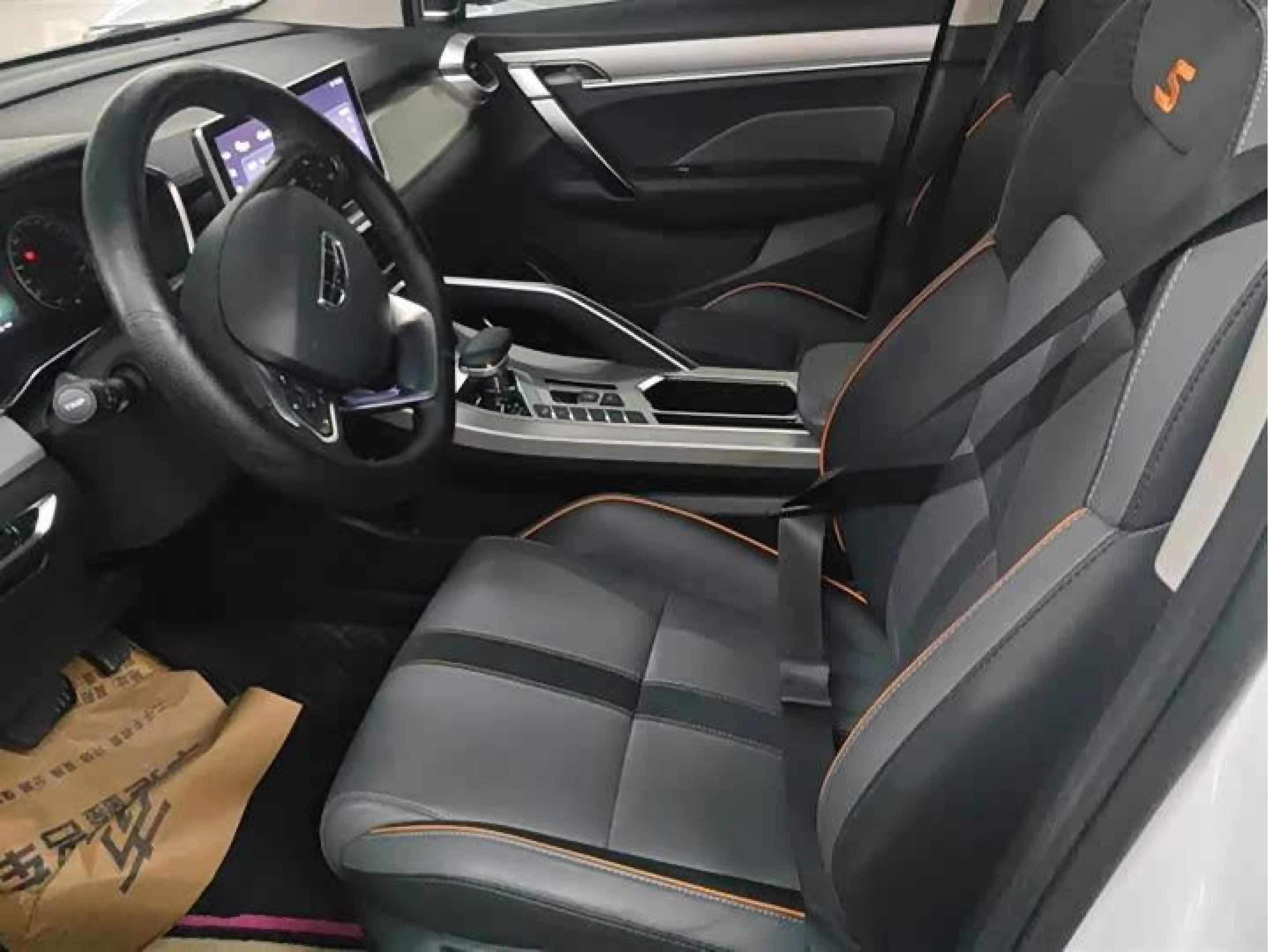
The correct method depends on route, carrier rules, vehicle condition and total handling exposure.
Define the decision
Obtain vehicle-specific acceptance using VIN, fuel type, running status, measured dimensions and weight. Compare sailing, transshipment, terminal and destination handling, not ocean rate alone. Once arrival condition is recorded, use the first-service plan to distinguish storage recovery from overdue maintenance and unresolved faults.
Evidence to collect
Create a loading record for every panel, glass, wheel, roof, cabin, odometer, fuel, keys and loose item. Container records add securing points, blocking and seal evidence. Add the 12-volt battery and storage plan to terminal handover.
Risk and export exposure
Loose-item rules, non-running charges, port storage and insurance exclusions can change. A cheaper routing may add handling or transshipment risk.
Apply it to a candidate
Inspect before cleaning or driving at destination. Preserve terminal context and notify possible damage within carrier and insurer deadlines.
Build the VIN record
Create a dated folder named by VIN. Record carrier acceptance, measured dimensions, running condition with source documents, photographs, diagnostic output or inspection results. Keep loading record, insurance scope, arrival inspection as named actions until the responsible reviewer closes them. A replacement vehicle starts a new file rather than inheriting another candidate's evidence.
Independent review
Assign each field to a reviewer with the relevant competence. Technical, legal, shipping and destination questions should not be answered by one general seller statement. If records conflict, preserve both versions and request the exact document, test or image that resolves the difference before payment.
Commercial hold points
Connect payment to evidence. Confirm identity before reservation, condition before final technical acceptance, contract wording before a major transfer and loading condition before handover. A changed VIN, beneficiary, delivery point or accepted exception reopens the relevant approval gate.
Arrival and ownership control
Freeze the odometer, warning state, keys, accessories, body condition and unresolved exceptions before loading. Compare the arrival vehicle with that record before cleaning or repair. Preserve evidence for claims and give the destination workshop the exact version, service and diagnostic baseline.
Set a rejection threshold before negotiation
Write which failures in carrier acceptance, measured dimensions, running condition make the candidate unsuitable regardless of discount. Separate those from repairable findings and ordinary preferences. For every unresolved item, state the maximum acceptable cost, delay or destination consequence. This prevents an attractive price from gradually changing the buyer's original standard after inspection.
Test whether another reviewer can repeat the result
Give a second reviewer only the VIN file, not the seller's summary. They should be able to identify the candidate, locate the source behind loading record, insurance scope, arrival inspection, and explain why the current status is pass, hold or reject. If the result depends on an undocumented conversation, move that statement into a dated written record or leave it unconfirmed.
Write the approval result
Finish with pass, hold or reject. A hold must name the missing evidence, owner and deadline. Approval means the buyer understands the remaining limits; it does not turn an unknown into a confirmed feature or remove destination responsibility.
Record the evidence date and the person who reviewed it. If a candidate changes, repeat the affected checks instead of carrying an earlier approval to another VIN, model year or seller.
Ship a Geely Coolray by RoRo or Container: checklist
Mark every item confirmed, unresolved or rejected and link its evidence to the candidate VIN.
- Carrier acceptance
- Measured dimensions
- Running condition
- Loading record
- Insurance scope
- Arrival inspection
Compare the complete custody route
Ocean price alone omits terminal handling, transshipment, non-running charges and destination release. Obtain carrier acceptance for the actual vehicle and preserve a VIN-linked loading record. Use the landed-cost worksheet to compare routes and the export guide to align booking details with documents.
Buyer questions
Is RoRo always cheaper?
Not after all handling, schedule and route costs are included.
Can parts stay inside the vehicle?
Only when the carrier permits, inventories and secures them.
What proves pre-shipment condition?
Dated VIN-linked photographs and a complete loading record.