
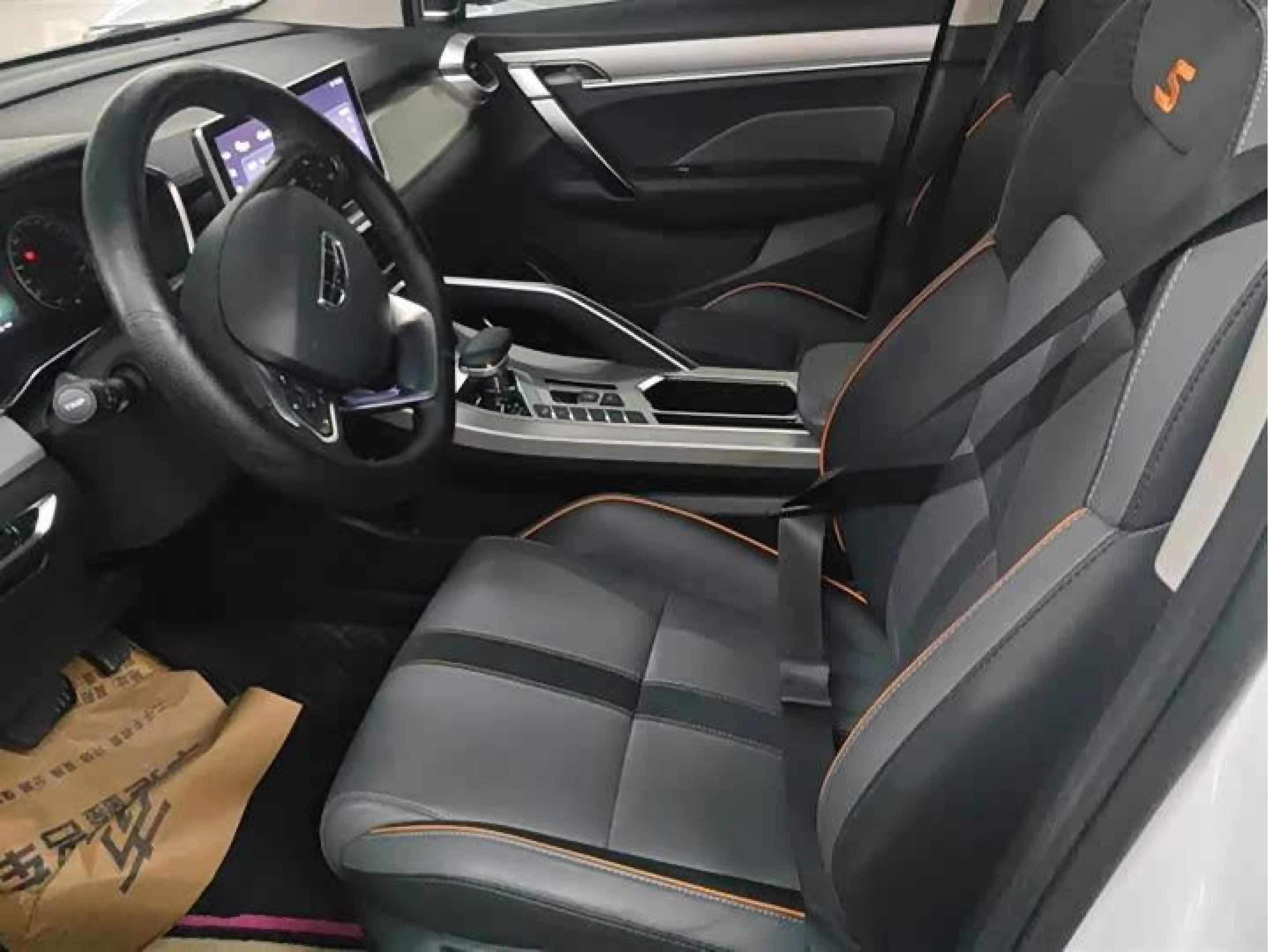
Inspect the delivery before workshop changes
Photograph bodywork, wheels, glass, mileage, warnings and included equipment before washing or repairs. Compare the result with the loading report and note visible leaks or transport damage. If there is a safety concern, arrange appropriate recovery instead of driving to the workshop. Follow the relevant reporting process promptly where carrier or insurer involvement is needed. The Coolray shipping guide explains the handover record. A workshop should receive the arrival evidence so routine cleaning or adjustment does not make a later condition dispute harder to resolve.
Identify the mechanical version accurately
Reconcile the VIN, production date, engine and gearbox with service information and parts records. Do not assume that every Coolray or Binyue uses an identical powertrain merely because the badge is familiar. The engine and transmission guide provides the identification route. Choose oil, filters, coolant and transmission procedures only after compatibility is established. A workshop familiar with a locally distributed version may still need the imported candidate's exact details. Keep photographs of relevant labels with the service file so future parts orders do not repeat the same uncertainty.
Separate documented maintenance from assumptions
Arrange invoices by date and mileage and compare them with the applicable schedule, including time-based requirements. A reset reminder or handwritten sticker is not equivalent to an itemised invoice. Where history is incomplete, ask for a defensible baseline and an explanation of each proposed task. Use the history and mileage checks if records conflict. Do not replace every fluid automatically or assume low mileage means nothing is due. A well-documented used car and a long-stored low-mileage car may need different work even when their sale prices are similar.
Assess storage-related systems first
Check the low-voltage battery, tyre condition and pressures, brake behaviour, lights, wipers and visible leaks through a suitable inspection. A recently boosted battery may need proper testing after rest. Surface corrosion on brake discs can differ from persistent pitting or binding, so diagnose what remains after a safe controlled check. Save the original diagnostic report before fault clearing. The battery and storage guide helps explain why multiple warnings after transport should not trigger automatic replacement of several modules without first establishing a stable electrical supply.
Keep DCT complaints in the diagnosis column
If the car has hesitation, shudder, delayed engagement or another transmission concern, preserve the symptom and scan before routine work. A fluid change is not a guaranteed cure for mechanical or control faults. Use the cold-and-hot DCT assessment to define the operating conditions under which the complaint appears. Ask the workshop for the approved service method and a separate diagnostic scope. Avoid unsupported software or adaptation resets simply to make the first drive feel different; changes should have a technical reason and a documented before-and-after result.
Finish with a usable next-service record
Obtain an invoice listing date, mileage, parts and fluid specifications, together with diagnostic and road-test outcomes where relevant. Recheck the original concerns and any leaks after work. Record the next service requirement under the correct schedule and a follow-up date for repairs that need monitoring. File unresolved issues with a named next action instead of presenting the car as fully sorted because it has been serviced. New vehicles also need delivery and storage checks, but a new status should not be used to sell unnecessary work. The baseline should support future ownership, not erase the vehicle's previous evidence.
A practical comparison before payment
For example, a candidate with a credible recent oil invoice and an intermittent hot reverse shudder needs the transmission symptom investigated, not merely another oil service. A different vehicle with no service records but normal operation may justify a documented maintenance baseline. Keeping these scopes separate makes quotations comparable and prevents routine work from being presented as a cure for a fault that nobody has actually diagnosed or retested.
Buyer checklist
- Arrival evidence preserved
- Exact engine and gearbox confirmed
- Invoices compared with the correct schedule
- Storage recovery and fault diagnosis separated
Questions and answers
Must every imported Coolray receive a transmission flush?
No. Use the exact service requirements, history and diagnosis; do not apply a universal procedure.
Does resetting the service reminder prove servicing was done?
No. Keep itemised invoices and the correct next-service record.
Manufacturer reference
Use the applicable market and year documentation for equipment and operating limits. These model references do not establish the condition, fitted equipment or destination approval of an individual vehicle.
Continue with the Coolray shipping guide, or send your vehicle requirements.