
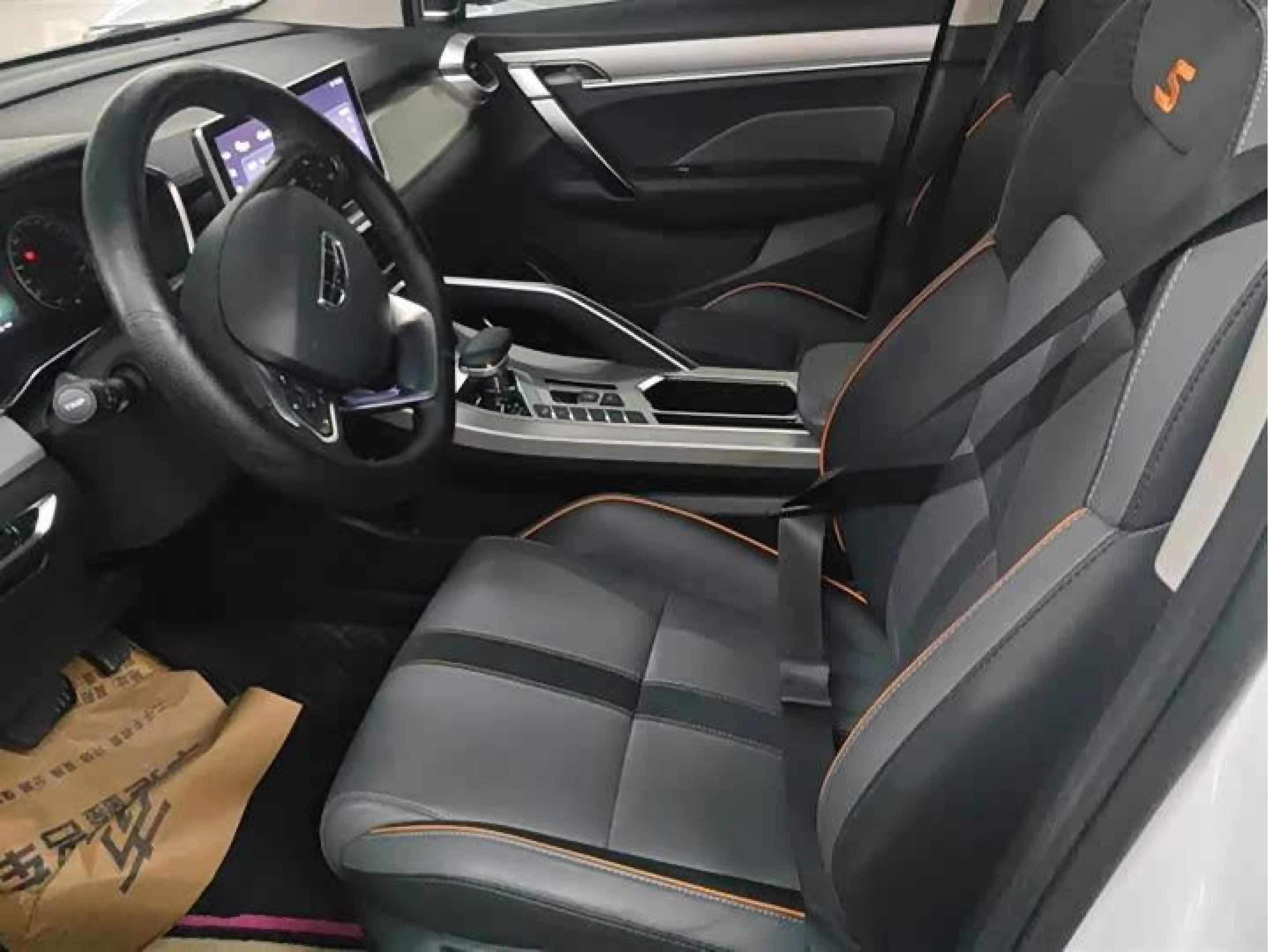
Confirm the roof type and repair history
Identify whether the vehicle has an opening roof, fixed glass or another arrangement, and obtain the applicable operating information. Ask about glass replacement, roof repairs, leaks and previous drain work. Compare invoices and dates with surrounding trim and paint. The version guide helps avoid assuming that a current export feature applies to every Binyue or earlier Coolray. Photograph stains or disturbed trim before cleaning. A replaced panel can have a legitimate explanation, but unexplained work around the roof and pillars deserves a broader body inspection.
Operate the mechanism without forcing it
With the vehicle safely parked, follow the manual to check the fitted opening, closing and shade functions. Observe uneven movement, unusual noise, incomplete closure and warning or reversal behaviour. Keep people and objects clear of pinch areas; do not test protection using a hand or body part. If the mechanism binds, stop rather than helping it with force. A reset or lubrication procedure should be supported for the exact system and performed appropriately. Smooth movement after a seller manually assists the panel is not evidence that the original fault has been repaired.
Inspect seals and visible water paths
Look at accessible seals, debris, frame corners and signs of prior sealant application. Have a competent technician assess drainage using an appropriate method and the vehicle's service information. Do not push wire down drains or blast them with compressed air, which can damage or disconnect components. A controlled water test may be useful with permission, but high-pressure spraying into joints can create an unrealistic condition. Record the path and location of any entry. The repair should address the cause rather than cover a visible gap with an unidentified sealant and hope the cabin remains dry.
Look below the roof lining
Inspect accessible pillar trim edges, seat belts, carpets and luggage cavities for staining, damp, corrosion or odour. Ask for professional access where hidden areas are important and the seller permits it. Do not remove safety-related trim casually or interfere with curtain-airbag areas. The accident and flood assessment is needed when contamination extends beyond a plausible local leak. A musty smell alone does not prove flooding, and a dry carpet after detailing does not rule it out. Combine physical findings, history and diagnostics rather than relying on one clue.
Check consequences as well as the leak
If water entered the cabin, ask which components were exposed and what inspection or repair followed. Electrical connectors, trim and insulation may need attention even after the entry path is corrected. Preserve relevant diagnostic reports and photographs before resets or drying hide the evidence. Obtain a repair scope that separates roof mechanism work, sealing and any consequential damage. A cheap drain cleaning quotation should not automatically settle a case involving widespread moisture or electrical symptoms. The inspector should state which areas were checked and which remain inaccessible so the buyer understands the residual uncertainty.
Require a repeat check before acceptance
After repair, repeat the appropriate operation and leak assessment, then inspect again after normal use. Keep the original findings and the final invoice together. For a new vehicle, delivery inspection should still catch damaged trim, poor operation or transport-related glass issues. For a used candidate, value the roof only when its condition and support route are clear. If the buyer does not need an opening roof, compare a suitable alternative version rather than accepting unresolved water risk for a desirable feature. A documented repair can be acceptable; an unexplained history concealed by cleaning should remain an open concern.
A practical comparison before payment
A recently cleaned roof lining with a fresh sealant bead needs a specific explanation, not an immediate rejection or an automatic pass. Request the repair record and an appropriate leak assessment, then inspect the areas below the reported entry point. If the seller offers only a promise that the car stayed dry overnight indoors, the relevant wet-weather question is still unanswered and should remain open in the purchase record.
Buyer checklist
- Actual roof type and repair records
- Safe opening, closing and shade test
- Professional seal and drainage assessment
- Interior consequences and repeat leak check
Questions and answers
Does a roof stain always mean flood damage?
No. It may reflect a local leak, but the extent and consequences need inspection.
Should I clear a blocked drain with wire?
No. Use the appropriate service procedure through a competent technician to avoid damaging the drainage system.
Manufacturer reference
Use the applicable market and year documentation for equipment and operating limits. These model references do not establish the condition, fitted equipment or destination approval of an individual vehicle.
Continue with the Coolray body and water-damage guide, or send your vehicle requirements.