A clean exterior is not a structural history. Reconcile paint, geometry, cabin, underside, diagnostics and records against the same VIN before approval.
Define the decision
Confirm VIN labels and legal identity, then map paint depth and inspect seams, welds, sealant, fasteners, glass dates, pillars, aprons, rails, floor and spare-wheel area. Separate cosmetic panel work from repairs affecting load paths, restraints or suspension mounting points. Where damp is concentrated near the roof or pillars, investigate the sunroof, seals and drainage paths before concluding whether the problem is local or part of wider contamination.
Evidence to collect
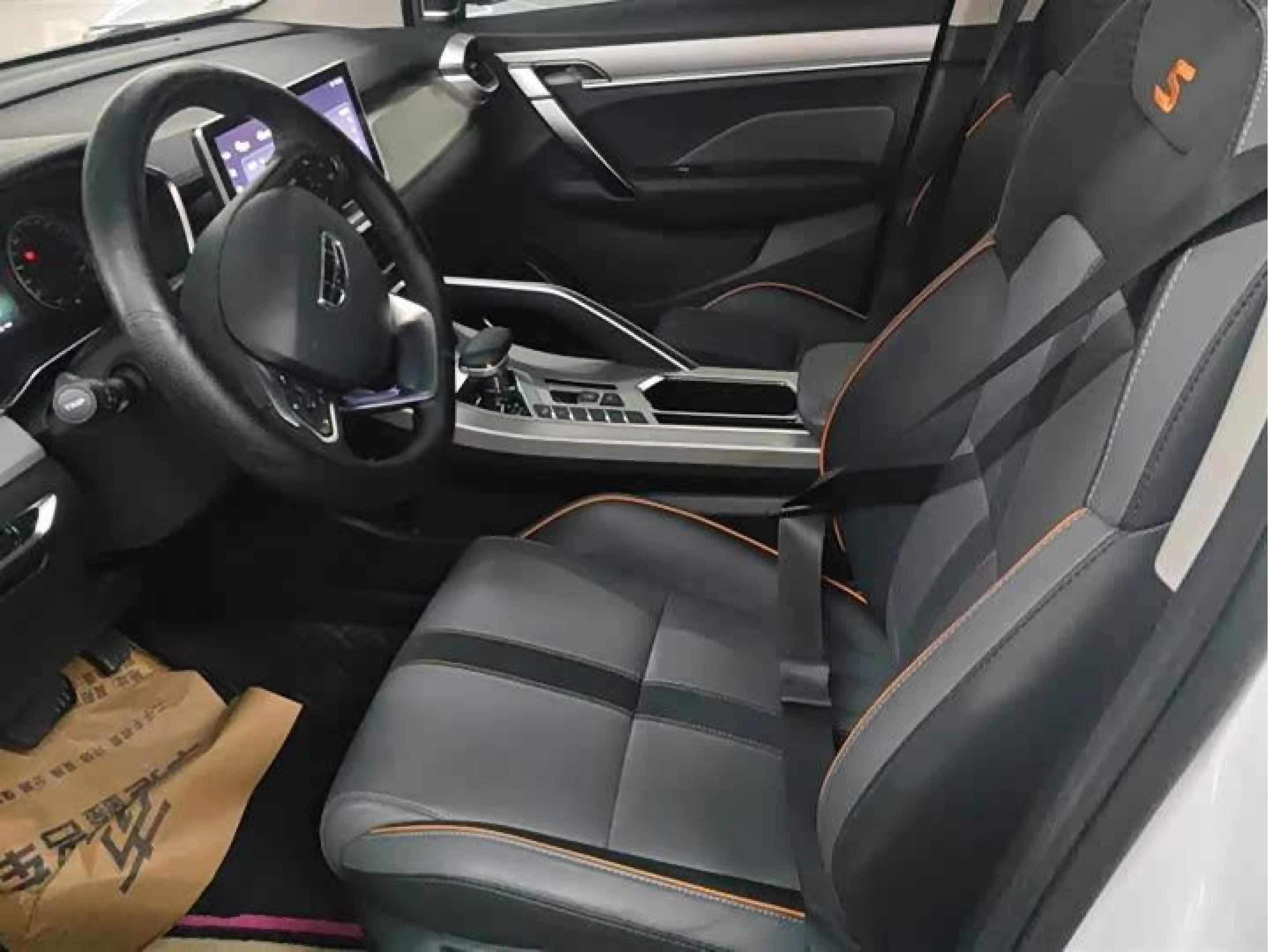
Collect a continuous walk-around, paint map, lift photographs, alignment readings, diagnostic scan and repair records where available. Inspect low cabin points, connectors, seat mounts and restraint modules for water or dismantling evidence. Road-test only after structural and tyre safety are established.
Risk and export exposure
Fresh paint, undercoat or a cleaned cabin can conceal damage. A warning-free dashboard does not prove restraint integrity, and a discount cannot resolve uncertain rail, pillar or flood evidence. Destination inspection and resale consequences belong beside repair quality.
Apply it to a candidate
One repainted door with consistent geometry may be accepted as cosmetic after documentation. Uneven seams, disturbed seat mounts, connector corrosion and restraint faults require deeper inspection. Reject the candidate when the structural or flood boundary cannot be established economically.
Build the VIN record
Create a dated folder named by VIN. Record vin and labels, paint and seams, structure and underside with source documents, photographs, diagnostic output or inspection results. Keep flood indicators, restraint diagnostics, alignment and records as named actions until the responsible reviewer closes them. A replacement vehicle starts a new file rather than inheriting another candidate's evidence.
Independent review
Assign each field to a reviewer with the relevant competence. Technical, legal, shipping and destination questions should not be answered by one general seller statement. If records conflict, preserve both versions and request the exact document, test or image that resolves the difference before payment.
Commercial hold points
Connect payment to evidence. Confirm identity before reservation, condition before final technical acceptance, contract wording before a major transfer and loading condition before handover. A changed VIN, beneficiary, delivery point or accepted exception reopens the relevant approval gate.
Arrival and ownership control
Freeze the odometer, warning state, keys, accessories, body condition and unresolved exceptions before loading. Compare the arrival vehicle with that record before cleaning or repair. Preserve evidence for claims and give the destination workshop the exact version, service and diagnostic baseline.
Stress-test the buyer's preferred choice
Model one adverse but plausible outcome involving vin and labels, paint and seams, structure and underside: a delayed part, an inconsistent document, a warning that returns after a drive, or destination advice that changes the budget. Decide in advance which outcome triggers further inspection, a retained reserve or rejection. This makes the purchase resilient to ordinary uncertainty without pretending every risk can be eliminated.
Close the record after arrival
Compare actual arrival condition and expenditure with the assumptions for flood indicators, restraint diagnostics, alignment and records. Preserve loading and terminal evidence until custody, damage and included-item questions are resolved. Update the file with the first inspection and service so the next owner or workshop receives a reliable starting point rather than a collection of sales messages.
Write the approval result
Finish with pass, hold or reject. A hold must name the missing evidence, owner and deadline. Approval means the buyer understands the remaining limits; it does not turn an unknown into a confirmed feature or remove destination responsibility.
Record the evidence date and the person who reviewed it. If a candidate changes, repeat the affected checks instead of carrying an earlier approval to another VIN, model year or seller.
Check a Used Geely Coolray for Accident, Flood and Structural Repair: checklist
Mark every item confirmed, unresolved or rejected and link its evidence to the candidate VIN.
- VIN and labels
- Paint and seams
- Structure and underside
- Flood indicators
- Restraint diagnostics
- Alignment and records
Primary manufacturer references
Use these sources for context only; the candidate remains market-, year-, trim- and VIN-specific.
Official Geely New Coolray model page ↗Buyer questions
Does repainting prove a major crash?
No. Determine repair extent and quality.
Can a clean cabin exclude flooding?
No. Inspect cavities, connectors, modules and records.
Is alignment enough to prove structure?
No. It is one part of a broader assessment.