
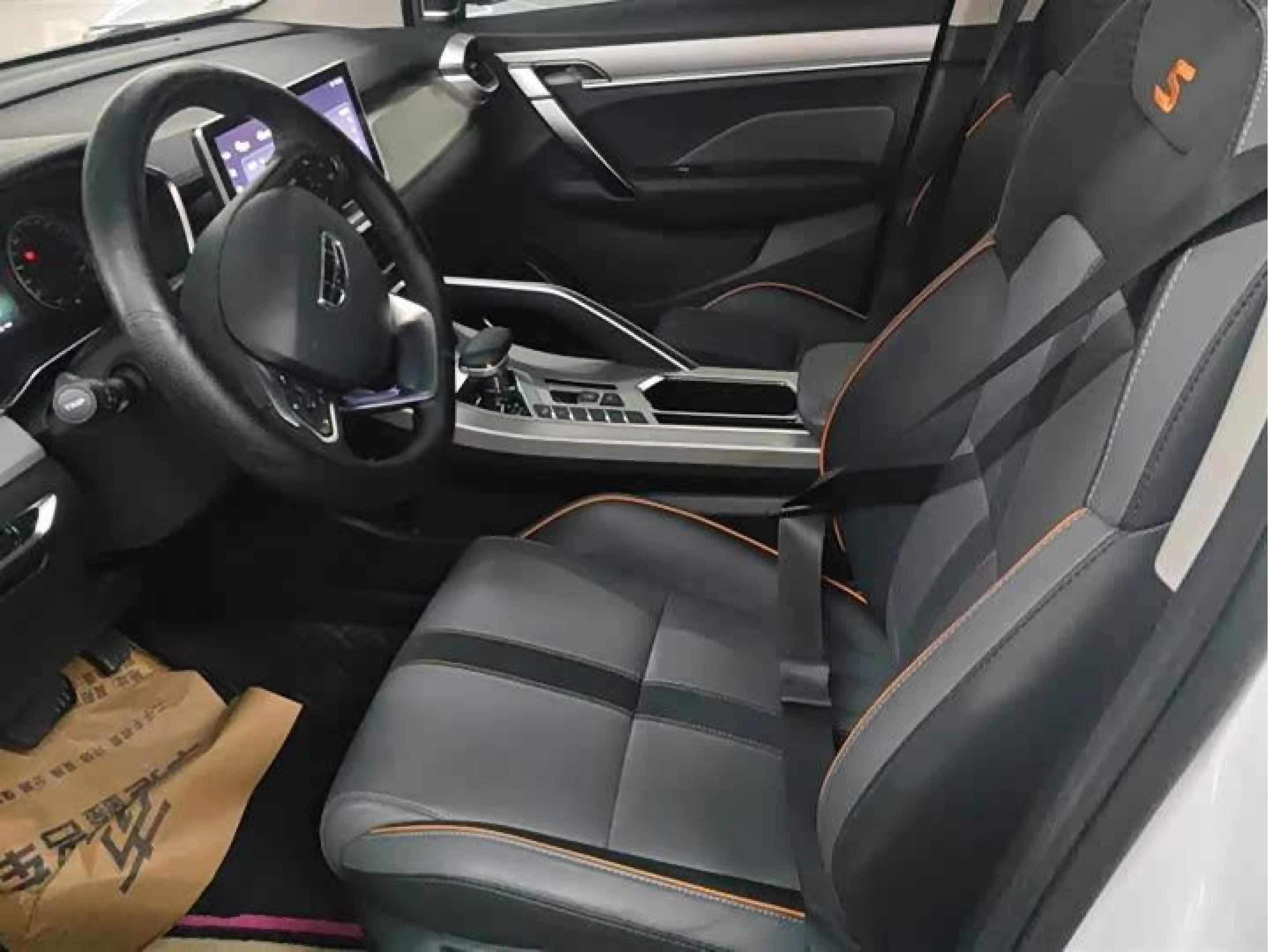
Verify the equipment actually fitted
Record the market, year, controls, vents and any seat-cooling features on the candidate. Check claimed functions physically rather than transferring the latest global model page to an older used car. The Coolray and Binyue version guide helps establish the correct reference. A missing rear outlet or unavailable seat feature may affect suitability without being a mechanical defect. Ask the seller to demonstrate unfamiliar settings before the test, then keep them consistent so a changed mode does not produce a misleading comparison between two vehicles.
Record a meaningful starting point
Note ambient temperature, sun exposure, parking duration, occupancy and the selected fan, temperature and recirculation settings. A showroom-cooled vehicle has a different initial load from one that has stood outdoors. Measure from consistent locations with suitable equipment and record elapsed time, but do not invent a universal vent-temperature pass mark. A technician should interpret results using appropriate service information. Keep people safe during hot-weather testing and never leave a child or animal inside a parked car. If conditions are mild, state that the inspection does not establish extreme-heat performance.
Compare stationary and moving performance
Observe operation while safely parked and during an ordinary legal road test, with a separate observer recording the result. Note airflow, odour, fan noise and changes in cooling rather than just a final thermometer reading. If performance worsens significantly at idle, investigate airflow and controls through a qualified workshop. Use the cooling and heat-exchanger inspection when engine temperature or front-end condition is also in question. Do not continue with overheating warnings or open a hot pressurised system to investigate a cabin complaint during the drive.
Assess rear-seat use and practical controls
Set the front seats normally and check whether rear passengers receive useful airflow with their usual bags and seat covers in place. Test demisting controls and any fitted automatic modes so everyday visibility is not overlooked. Cabin noise at the required fan setting can affect comfort even if the system cools effectively. Combine the observations with the family-space assessment. Describe the result honestly as a practical trial, not a certification of all-weather performance. A driver-only demonstration may miss the reason the buyer is choosing a larger vehicle for family use.
Diagnose weak cooling or odour properly
A blocked cabin filter, drainage issue, control fault or refrigerant problem can require different work. Repeated topping up is not a substitute for locating a leak, and the correct refrigerant and equipment must be used. Have a qualified technician assess persistent odour, uneven airflow or intermittent operation; do not vent refrigerant or bypass protective controls. Save the initial findings and repeat the original test after any repair. A fresh fragrance or recently replaced filter may improve the first impression without resolving a leak or moisture source that returns after the vehicle is used.
Set a destination-specific acceptance limit
For a buyer in a hot region, decide which cabin features and test conditions are essential before comparing prices. If the candidate cannot be tested in comparable weather, obtain a clear workshop assessment and record the limitation. Price diagnosed repairs separately from optional tint or comfort accessories, subject to local requirements. A new car needs a functional delivery check; a used car also needs service and fault history. Accept the vehicle when its verified equipment and observed performance suit the intended occupants, not because a seller promises that any weak cooling will disappear after a simple recharge.
A practical comparison before payment
If a used candidate cools well while moving but poorly at a long stop, ask the workshop to reproduce that difference under safe conditions. Do not accept a refill and a short moving demonstration as proof of repair. The final check should cover the stationary condition that mattered to the buyer, while recording ambient temperature and settings so the comparison remains meaningful rather than anecdotal.
Buyer checklist
- Correct version and fitted climate functions
- Ambient conditions and settings recorded
- Idle, road and rear-seat assessment
- Qualified diagnosis and repeat test for faults
Questions and answers
Does cold air at the driver vent prove the system is good?
No. Check sustained performance, airflow, operating conditions and the occupied rear seats.
Is refrigerant top-up always the answer to weak cooling?
No. A qualified diagnosis should distinguish leaks, airflow, controls and other causes first.
Manufacturer reference
Use the applicable market and year documentation for equipment and operating limits. These model references do not establish the condition, fitted equipment or destination approval of an individual vehicle.
Continue with the Coolray cooling-system inspection, or send your vehicle requirements.