
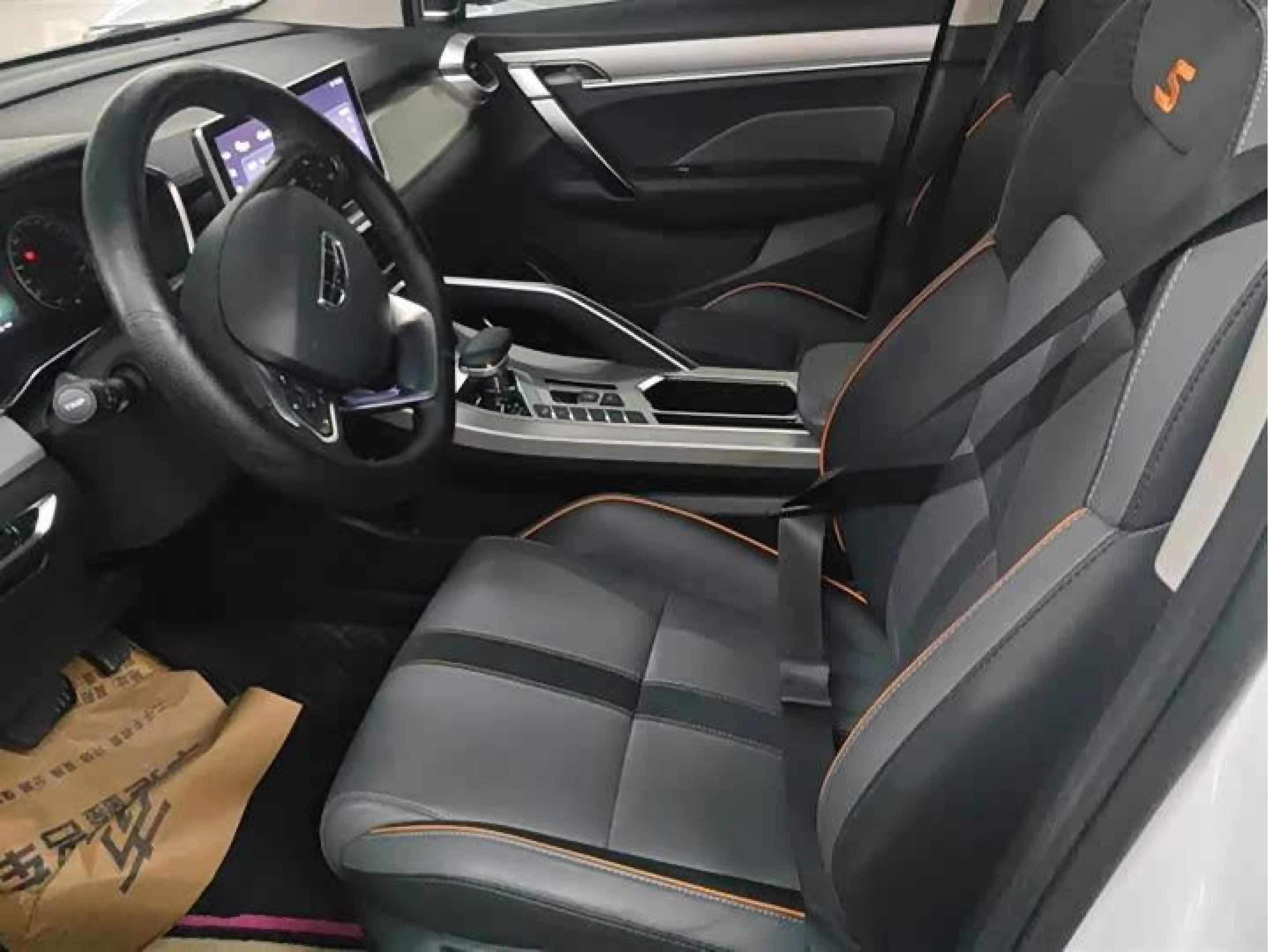
Cooling stability should be proven from a cold start through a loaded drive and hot reinspection, not inferred from a clean engine bay.
Define the decision
Identify the engine and gearbox before choosing limits or fluids. Inspect coolant level and specification, reservoirs, caps, hoses, clamps, radiator and condenser fins, fan assemblies, intake ducts, intercooler and charge pipes. Look for dried residue, oil mist beyond normal context, impact damage, missing seals and fresh cleaning. Connect this route to the dedicated turbo-engine and DCT inspections. For a hot-weather destination, add a cabin air-conditioning test rather than inferring passenger comfort from normal engine temperature.
Evidence to collect
Collect cold-start video, service invoices, close photographs and a full diagnostic scan. During a controlled drive record ambient conditions, coolant and intake temperatures where supported, fan operation, boost response and warning or power-reduction events. Include a climb or sustained load appropriate to local safety, then perform a hot restart and reinspect for odour, pressure loss or fresh fluid. Continue with the turbo-engine inspection and the cold-and-hot DCT road test.
Risk and export exposure
A short idle or gentle road loop may not expose a cooling problem. Front-impact repair can disturb heat exchangers and airflow without obvious exterior misalignment. Loose turbo plumbing can produce noise, low power or oil residue, while wrong coolant and improvised hose repair create future risk. Never open a hot pressurised system.
Apply it to a candidate
For a 1.5TD and 7DCT candidate intended for hot urban traffic, require cold and hot evidence. If the fan cycles abnormally, boost drops or residue returns near a repaired radiator support, keep the car on hold for pressure testing and competent diagnosis. A diagnosed hose or clamp can be priced; unexplained overheating cannot.
Build the VIN record
Create a dated folder named by VIN. Record exact engine identity, cold fluid condition, radiator and intercooler with source documents, photographs, diagnostic output or inspection results. Keep hoses and turbo plumbing, temperature and fan data, hot restart and final scan as named actions until the responsible reviewer closes them. A replacement vehicle starts a new file rather than inheriting another candidate's evidence.
Independent review
Assign each field to a reviewer with the relevant competence. Technical, legal, shipping and destination questions should not be answered by one general seller statement. If records conflict, preserve both versions and request the exact document, test or image that resolves the difference before payment.
Commercial hold points
Connect payment to evidence. Confirm identity before reservation, condition before final technical acceptance, contract wording before a major transfer and loading condition before handover. A changed VIN, beneficiary, delivery point or accepted exception reopens the relevant approval gate.
Arrival and ownership control
Freeze the odometer, warning state, keys, accessories, body condition and unresolved exceptions before loading. Compare the arrival vehicle with that record before cleaning or repair. Preserve evidence for claims and give the destination workshop the exact version, service and diagnostic baseline.
Use dated evidence rather than model reputation
A general Coolray or Binyue statement can help form a question, but it cannot approve exact engine identity, cold fluid condition, radiator and intercooler on a specific vehicle. Link every material conclusion to the VIN and record whether it came from an official market source, legal document, physical label, inspection, diagnostic scan or seller representation. Sources with different authority should not be treated as equal.
Keep commercial acceptance separate
Technical approval says what the vehicle is and what condition evidence supports. Commercial acceptance says whether the price, included work, payment schedule and delivery boundary are acceptable. Close both records before shipment. A price concession can compensate for an understood repair or missing accessory; it cannot prove identity, legality or safety.
Write the approval result
Finish with pass, hold or reject. A hold must name the missing evidence, owner and deadline. Approval means the buyer understands the remaining limits; it does not turn an unknown into a confirmed feature or remove destination responsibility.
Record the evidence date and the person who reviewed it. If a candidate changes, repeat the affected checks instead of carrying an earlier approval to another VIN, model year or seller.
Inspect Coolray Cooling, Turbo Plumbing and Intercooler: checklist
Mark every item confirmed, unresolved or rejected and link its evidence to the candidate VIN.
- Exact engine identity
- Cold fluid condition
- Radiator and intercooler
- Hoses and turbo plumbing
- Temperature and fan data
- Hot restart and final scan
Primary manufacturer references
Use these sources for context only; the candidate remains market-, year-, trim- and VIN-specific.
Official Geely New Coolray model page ↗Buyer questions
Can idling prove the cooling system is healthy?
No. Observe it under suitable load and inspect again when hot.
Is oil mist in a charge pipe always turbo failure?
Not by itself. Assess quantity, symptoms, diagnostics and the full intake system.
Can any coolant be used?
No. Use the correct specification and service procedure for the exact vehicle.