
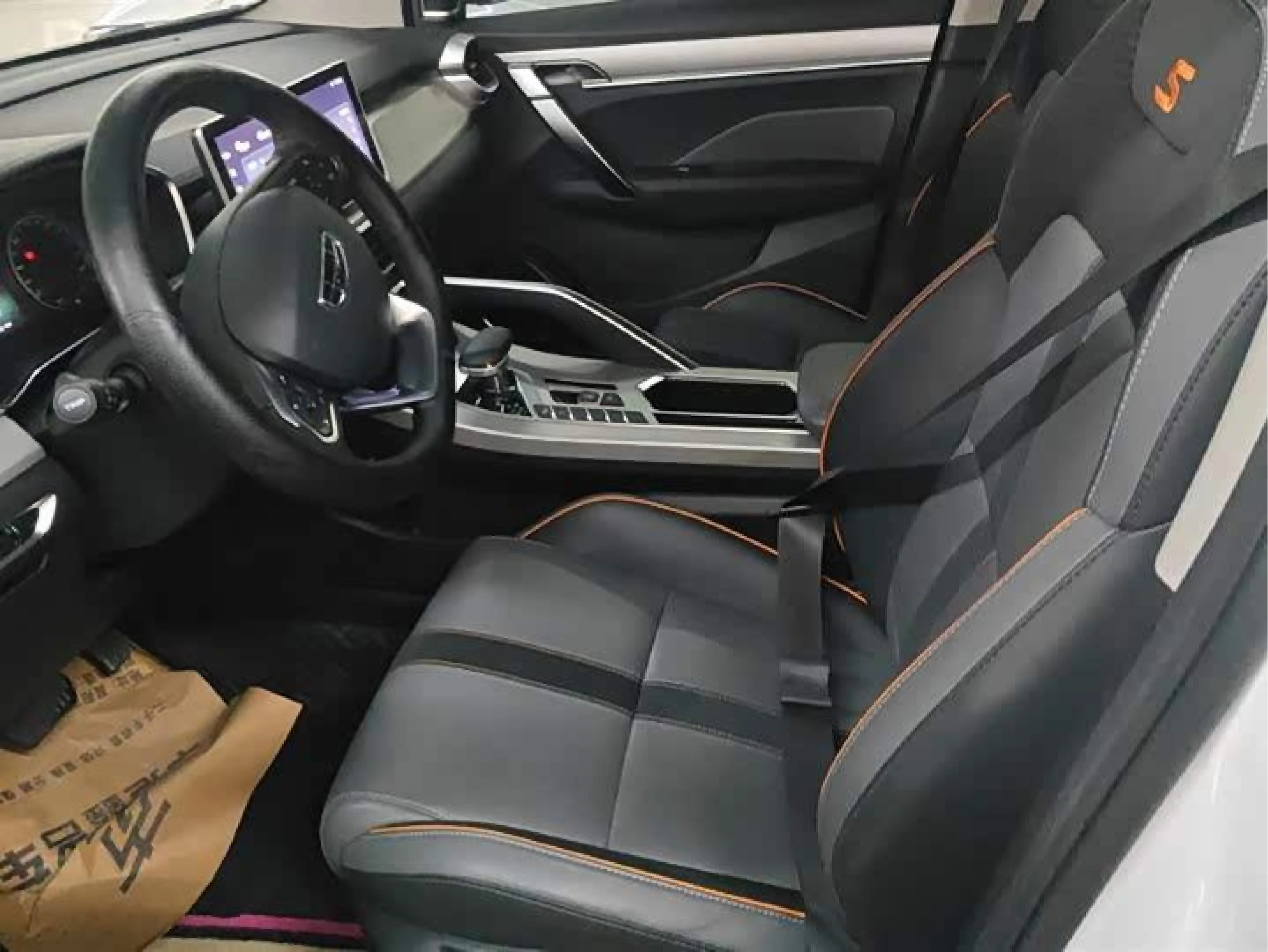
Create an actual included-equipment list for both offers
Obtain original-market configuration evidence tied to each VIN, then inspect the actual installed items. The specification guide supplies the identity method rather than a universal trim table. Record propulsion, wheels, seating, cameras, driver assistance, climate and connected functions independently. Do not infer equipment from a badge, large display or seller’s highest-trim translation. A current brochure can explain a named market package without proving the offered used car matches it. Where items have been removed or retrofitted, preserve relevant installation and support evidence. The premium should buy a clear delivered package, not the most attractive combination of features found across several regional versions.
Set essential requirements before optional comfort
Name the safety and practical functions the buyer requires and ask competent providers about their applicable configuration and condition. Use the ADAS and safety file without treating equipment presence as a guarantee of safe operation. Compare occupied seating, belts, visibility and ordinary controls on both cars. A cheaper package that fails an essential requirement is not an equivalent alternative, even if cosmetic presentation is appealing. Conversely, more advertised assistance cannot replace appropriate driving or remove system limitations. Keep required functions distinct from preferences so bargaining over the trim name cannot quietly weaken the original brief to fit the available stock.
Trial parking and climate features in real use
Use the parking camera and sensor checks with a safe ordinary demonstration, not an assumption that a screen proves every camera works. Check visibility and function relevant to the buyer’s parking space. The hot-weather air-conditioning file addresses installed equipment and appropriate operating observations; advertised comfort features do not prove acceptable cooling condition. Review seating adjustment, control convenience and cabin fit directly. A useful premium can come from a modest practical improvement rather than the longest option list. Record what worked and what was not tested so presentation does not become a blanket claim about every included function.
Treat software-dependent extras as specific acceptance questions
Confirm actual phone and supported software requirements through the connectivity test and update verification. Bluetooth, phone projection and remote ownership services are different results. Do not count a borrowed login, unofficial installation or promised later conversion as a confirmed factory-equivalent function. Check hardware and original-market eligibility where an update is proposed. The buyer may reasonably accept a limited function when its practical consequence is understood, but an essential unsupported feature should not justify a premium. A high trim in one country need not deliver the same connected ownership experience when independently exported to another.
Inspect condition and exact support separately from equipment quantity
Use the pre-purchase inspection for structure, powertrain, chassis and electronics. More equipment is not proof of unreliability, and fewer options do not prove a used car is sound. Ask the receiving provider about components and required setup using the VIN parts file. Where glazing, sensors or modules were replaced, request suitable records rather than infer correct configuration from a clean dashboard. Obtain complete estimates for diagnosed work and investigate important unresolved symptoms. Provider-confirmed warranty is a separate question; do not apply another region’s high-trim promotion as coverage for the offered original-market vehicle.
Pay for a useful delivered package, not a badge
Normalise inspection, preparation, included accessories and readiness through the price guide. Separate wheels, propulsion and production differences so the full quotation gap is not credited to one convenience feature. Use a conservative ownership worksheet without guaranteeing that options retain their purchase premium at resale. Approve the higher package when confirmed benefits and support justify the amount; choose the adequate lower package when it meets the essential task naturally. Record included and excluded items in the purchase schedule. A substitute high-trim car needs its own equipment review rather than inheriting acceptance from a translated designation.
Compare the acceptance conditions
- Useful high-trim premium
- Verified essential or frequently used functions improve the routine and their condition and support justify the complete difference.
- Need function-level evidence
- A trim label or display photograph is doing the work of an actual equipment and compatibility record; obtain the specific answers first.
- Adequate lower package
- The lower offer satisfies essential needs, and the added amount mainly buys seldom-used preferences or unsupported connected features.
Buyer evidence checklist
- VIN-linked original and installed equipment list
- Essential functions separated from preferences
- Parking, climate and cabin trial on both cars
- Software access and component support confirmed
- Complete premium and delivered-item schedule
Questions before you buy
Is a flagship label enough to identify the highest equipment?
No. Regional names and translations differ. Verify installed items and supported functions for the actual candidate.
Should every buyer pay for every available assistance feature?
Not automatically. Establish essential requirements and real usefulness while retaining system limitations, condition and support.
Primary and regional references
Each reference describes its own market or commercial scope; it does not identify the offered VIN or prove its condition or availability.
Geely New Coolray: region-qualified feature reference ↗